04 22 44 22 71




Week 1
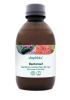
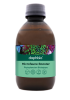
Products to Use: Bactoreef, Microfauna Booster, Microfauna & Meiofauna Eggs
Fill your aquarium with water, starting at a salinity of 1.020–1.024, and a temperature of 28–29°C to stimulate bacterial growth. Gradually increase salinity until week 3, reaching a maximum of 1.028. Keep the lights off until week 3, but you can turn them on for a few hours to perform maintenance or observe your tank.
Even if rocks are not yet in place, preparing the water is essential. Begin adding your products:
- Bactoreef: Use a higher dosage than recommended on the bottle—double or triple—for 6 days to create cloudy or whitish water (bacterial bloom).
- Microfauna Booster: Use at the recommended dosage.
- Once the bacterial bloom has subsided, add the Microfauna & Meiofauna Eggs. Rocks can now be added. Our live bacteria are light-sensitive and will colonize the inside of the rocks. The protein skimmer remains off.
Week 2
Products to Use: Bactoreef, Microfauna Booster
Continue adding Bactoreef and Microfauna Booster at the regular dosage indicated on the bottles. Lights and protein skimmer remain off. Nitrates will be at their highest but will gradually decrease with the product additions. Nitrites disappear within the first few days.
Unlike freshwater aquariums, trace amounts of nitrites are normal in marine and reef tanks and do not interfere with the cycling process. They are essential for establishing balance. Salinity can be gradually increased.
Week 3
Products to Use: Bactoreef, Microfauna Booster
Continue adding Bactoreef and Microfauna Booster at the standard dosage. The protein skimmer remains off. Moderate water circulation is recommended. Your aquarium is beginning to cycle; nitrates will continue to decrease.
Start lighting your tank 2–3 hours per day. Allow biofilm (whitish-yellow film or filaments) to develop throughout the tank. This biofilm is crucial for microfauna growth and coral attachment.
Week 4
Products to Use: Bactoreef, Microfauna Booster
Continue standard dosing of Bactoreef and Microfauna Booster. The protein skimmer remains off. Light your aquarium 2–3 hours daily. Reduce the temperature to 24°C.
Introduce one or more soft corals—they will serve as beta-testers for your tank. Add a variety of snails, ensuring they are healthy, as in-store mortality is often high. Even if invisible to the naked eye, your aquarium contains micro-particles and microalgae that will serve as food for them. These organisms also help maintain and stabilize the nitrogen cycle. Soft corals continue to support the development of this cycle.
Week 5
Products to Use: Bactoreef, Microfauna Booster
Continue Bactoreef and Microfauna Booster at regular dosages. Begin using the lights and protein skimmer for a few hours daily. Algae may appear with the lights on. To control algae, reduce the intensity of blue and red LEDs, as these wavelengths strongly favor algae and cyanobacteria growth.
Some rocks may also promote algae growth due to minerals, silicates, or heavy metals. We recommend our MarcoRocks, which are pre-cycled, started, and free of pests. Snails and other detritivores introduced in week 4 will consume algae, but if algae growth is excessive, they may ignore it. Brush any overgrown algae manually.
Week 6
Products to Use: Bactoreef, Microfauna Booster
Continue dosing Bactoreef and Microfauna Booster until the bottles are finished. Your aquarium is now cycled. Microfauna typically appears between the end of the first month and the end of the second month, depending on the tank.
You can start gradually adding livestock. Feed sparingly—once a day, with a very small amount that is consumed within 2 minutes. Your aquarium is now established and on the path to success.
Additional Recommendations
- Salt: Use a non-enriched salt, such as Instant Ocean, during the startup phase.
- Filtration: Avoid filtering water through perlon or micron bags for the first 8 months. Bacteria need to colonize freely and circulate throughout the tank.
- Minerals: Calcium and magnesium additions are not necessary during the first months. Only supplement if fully consumed by corals; otherwise, it may promote algae growth.
- Substrate: Use non-enriched sand, preferably not crushed coral. Ensure it contains no NO₃, PO₄, or silicates.
- Bare-bottom tanks: Bare-bottom designs are increasingly popular. While beneficial, microfauna growth may be slower.
- Trophic chain: Continue maintaining the trophic chain over the following months. Re-seed bacteria and zooplankton every 3–6 months using the re-seeding kit and Bactoreef.
Since this article was written, and given difficulties in sourcing high-quality rocks, MarcoRocks stand out as an ideal solution for marine and reef aquariums. Their porosity and structural quality make them perfect for bacterial colonization and microfauna growth. They are suitable for starting, restarting aquariums, or use in sumps and refugiums to enhance system stability.